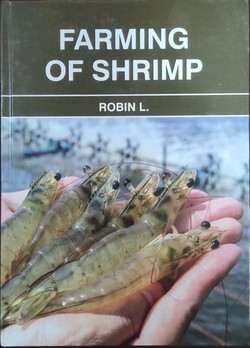
Farming of Shrimp
BY
Robin L
INTRODUCTION
Due to increasing demand, particularly in the USA, Europe,and Japan, prawn farming has become one of the most significant economic activities in many tropical countries of Asia and Latin America over the past three decades. Exports of prawns greatly boost the national economy, create jobs, and support livelihoods. In recent years, prawn has developed into a large consumer good that contributes significantly to international trade.
Traditional, small-scale prawn farming in Southeast Asia has evolved into a global enterprise. Shrimp are now being grown at ever-increasing densities thanks to technology, and brood stock is being sent all over the world. Only two species, Litopenaeus vannamei (Pacific white shrimp) and Penaeus monodon (giant tiger prawn), make up about 32.14% of all farmed shrimp
An initiative to create and promote more sustainable agricultural methods was started in 1999 with the help of governmental organizations, business leaders, and environmental groups. It can be a lucrative enterprise to raise and produce freshwater prawns or prawns in your own aquaculture fish farm. Due to the fact that freshwater and marine shrimp farming share many traits and issues, freshwater shrimp farming is best suited in warmer climates.
The industry and prawn processing facility discharge their waste products into the river, polluting the water. The salinity and richness of the soil have decreased over time as a result of this practice. Saline water from stagnant prawn ponds frequently leaks into the groundwater, rendering it worthless. A surge in water-borne skin disorders has additional consequences for health.
The principles and practices of prawn culture at one point in time are described in this book, which also details current conditions
Contents
Chapter 1 Introduction
Shrimp Farms Replace Mangrove Forests
Freshwater Shrimp Farming - How to Start Your Own Shrimp Farm
Fisheries: Shrimp Cultivation
Shrimp Farm Techniques
Chapter 2 Culture of Crustaceans and Shrimp Farming
Prospects for Shrimp Culture Development
Crustacean
Crustacean Farming
Extensive Grow-out Systems
Semi-intensive Shrimp Farming
Management of Intensive Vannamei Shrimp Ponds
Marine Shrimp Farming
Chapter 3 Traditional Shrimp Farming Systems
Shrimp Farming Experience: Disease Prevention or Treatment
Farm Giant Tiger Prawn
Processing, Storing and Marketing of Shrimp
Probability of Shrimp Farming
Advantages of Mud Crab Farming
Chapter 4 Disease Prevention in Shrimp
Prevention and Treatment of White Feces Disease (WFD) in Shrimp
Shrimp Health Management: Disease Prevention Begins in the Hatchery
Social and Economic Impacts of Shrimp Disease in Thailand
Shrimp Disease and a Poverty-Focussed Shrimp
Aquaculture Development Project in the Mekong Delta, Vietnam
Nutritional and Management Strategies to Promote Shrimp Health
Disease, Prevention and Treatment
Infectious Diseases
Bacterial Infection
Fungal Infestation
Protozoan and Parasitic Infestation
Non-Infectious Diseases
Chapter 5 Environmental Impacts of Shrimp Aquaculture
The Environmental Hazards of Intensive Shrimp Farming on the Mekong Delta
Shrimp Aquaculture as a Complex Social-Ecological System
Environmental Problems of Aquaculture
Global Climate Change Makes Soils Saltier, Farmers Lose Their Land and Livelihoods.
Shrimp Farming and the Environment
Shrimp Farm Site Selection in Myanmar
Chapter 6 Feeding and Farming of Shrimp
Feeding Shrimps and the Amount of Feed
Feed and Feeding.
Supplementary Feed for Shrimp
Feed Management for Improving Production
Shrimp Feed Formulation and Manufacturing Process
Chapter 7 Planning and Management for Sustainable Shrimp Aquaculture
Build a Profitable Shrimp Farming Business from Home
Zone Planning for Shrimp Culture Development
Feasibility
Planning
Development
On-going Evaluation and Monitoring
The Sustainability of Shrimp Farming
Integrated Coastal Zone Management with Sustainable Aquaculture
The Concept of Integrated Coastal Zone Management
Ecological and Social Implications of Commercial Shrimp
Farming in Asia
Chapter 8 Shrimp Farming and Pond Culture System
Traditional or Extensive Method of Culture Operation
Site Selection for Shrimp Culture
Species Selection
Farming of Shrimp as an Alternative
Basics of Saltwater Shrimp Farming
Best Practices for Shrimp Farming
Pond Design and Construction
***for more please visit the library***

